A soft, slow-growing lump beneath the skin is often diagnosed as a lipoma. Although lipomas are usually benign and non-cancerous, they can become uncomfortable, interfere with daily activities, or cause cosmetic concerns depending on their size and location. While many lipomas do not require immediate treatment, surgical removal may be recommended when they grow larger, become painful, or create functional problems.
If you are considering Lipoma Removal Surgery for Benign Soft Tissue Tumors in Airoli, understanding how lipomas are diagnosed and when surgery is appropriate can help you make informed healthcare decisions.
What Is a Lipoma?
A lipoma is a benign growth made up of fat cells that develops beneath the skin. It is one of the most common soft tissue tumors seen in adults. Lipomas usually grow slowly and feel soft, smooth, and movable when touched.
They can develop almost anywhere on the body but are commonly found on the:
- Neck
- Shoulders
- Back
- Upper arms
- Chest
- Abdomen
- Thighs
Most lipomas are harmless and remain stable for years. However, some continue to enlarge or begin causing symptoms that warrant medical evaluation.
What Causes Lipomas?
The exact cause of lipomas is not always known. Several factors may increase the likelihood of developing them, including:
- Family history of lipomas
- Middle age
- Certain inherited conditions
- Minor tissue injuries in some cases
Contrary to common myths, lipomas are not caused by obesity, poor diet, or lack of exercise. They can occur in people of all body types.
Symptoms That Should Not Be Ignored
Although many lipomas are painless, some can produce symptoms depending on their location and size.
Consult a surgeon if you notice:
- A lump that continues to grow
- Pain or tenderness around the swelling
- Restricted movement due to its location
- Pressure on nearby muscles or nerves
- Changes in the appearance of the lump
- Rapid enlargement over a short period
A rapidly growing or unusually firm lump should always be evaluated to rule out other soft tissue conditions.
How Is a Lipoma Diagnosed?
Most lipomas can be diagnosed through a clinical examination. However, additional investigations may be recommended if the lump is large, deep, painful, or has unusual characteristics.
Your doctor may advise:
- Physical examination
- Ultrasound of the affected area
- MRI or CT scan for deeper swellings
- Biopsy in selected cases when the diagnosis is uncertain
Accurate diagnosis helps distinguish a lipoma from cysts, enlarged lymph nodes, or other soft tissue tumors.
When Is Lipoma Removal Surgery Recommended?
Not every lipoma requires surgery. Many small, painless lipomas can simply be observed over time.
Surgical removal is generally considered when:
- The lipoma causes persistent discomfort
- It interferes with movement or daily activities
- It grows steadily in size
- Cosmetic appearance is a concern
- The diagnosis requires confirmation through tissue examination
- There is uncertainty about the nature of the swelling
Removing the entire lipoma along with its capsule helps reduce the chance of recurrence.
What Happens During Lipoma Removal Surgery?
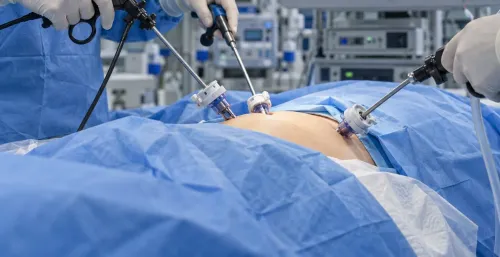
Lipoma removal is usually a straightforward procedure. Depending on the size and location of the lump, it may be performed under local or general anesthesia.
During the procedure:
- A carefully planned incision is made over the lump.
- The lipoma is separated from the surrounding tissue.
- The entire growth is removed.
- The incision is closed with sutures to support proper healing.
The removed tissue is often sent for laboratory examination to confirm the diagnosis.
Recovery After Surgery
Recovery is generally smooth, with most patients returning to routine activities within a short period, depending on the size and location of the lipoma.
To promote healing, patients are advised to:
- Keep the surgical wound clean and dry.
- Avoid strenuous activities until advised.
- Take prescribed medications as directed.
- Attend follow-up appointments for wound assessment.
- Watch for signs of infection such as redness, swelling, or fever.
Following postoperative instructions helps ensure proper healing and minimizes complications.
Choosing the Right Surgeon for Lipoma Removal
Although lipoma removal is considered a routine surgical procedure, careful evaluation is important to confirm the diagnosis and determine the most appropriate treatment. Large or deeply located lipomas may require advanced surgical planning to avoid damage to surrounding structures.
Patients looking for Lipoma Removal Surgery for Benign Soft Tissue Tumors in Airoli often benefit from consulting a surgeon experienced in general, gastrointestinal, and minimally invasive surgery. Dr. Mayur Porwal provides comprehensive assessment and surgical treatment for a wide range of soft tissue conditions, ensuring that each patient receives an individualized treatment plan based on the characteristics of the lump and their overall health.
For residents of Airoli and other parts of Navi Mumbai, seeking timely evaluation for an enlarging or symptomatic soft tissue swelling can lead to earlier diagnosis, appropriate treatment, and a smoother recovery. While most lipomas are benign, obtaining a professional assessment provides reassurance and helps ensure that any underlying condition is identified and managed appropriately.
Keywords