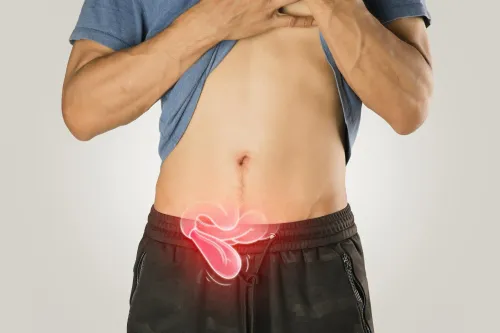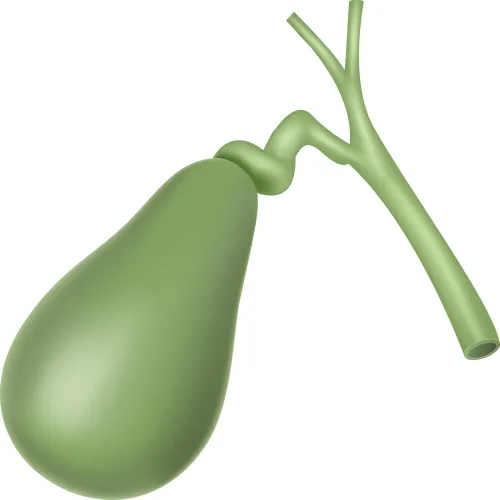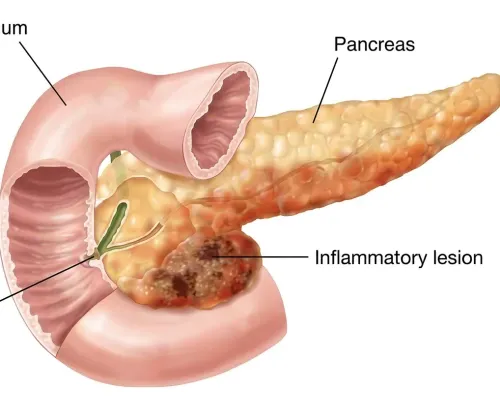
Pancreas surgery is recommended when removing diseased tissue offers a meaningful benefit and the patient can safely tolerate the operation. By the end, you will know which cancer, cyst, neuroendocrine tumor, pancreatitis complication or injury findings support surgery, which call for surveillance or other treatment first, and how doctors select the operation.
Key takeaways
- Surgery aims to remove all visible disease without unresectable spread.
- Vessel involvement, tumor biology and overall fitness determine operability.
- Some cysts require surgery; others need imaging surveillance and specialist review.
- Chemotherapy or drainage may come before surgery in selected cases.
How doctors decide whether a pancreatic tumor is operable
A pancreatic tumor is operable when doctors believe they can remove all visible disease with an R0 resection and no unresectable spread exists elsewhere. The decision depends on anatomy, biology, the patient’s fitness for a major operation, and whether nearby vessels can be safely separated or reconstructed.
The assessment usually includes:
- A contrast-enhanced pancreas-protocol CT to map the tumor, liver, peritoneum and major arteries and veins.
- MRI/MRCP pancreas imaging when CT does not clarify duct involvement, liver lesions, cystic features or small metastases.
- Endoscopic ultrasound, with needle biopsy when tissue confirmation will change treatment; biopsy is particularly important before chemotherapy or radiation.
- CA 19-9, interpreted alongside imaging and bilirubin because jaundice or bile-duct blockage can raise the result without proving cancer.
- Chest and abdominal staging to look for lung, liver, peritoneal or distant lymph-node metastases.
A tumor confined to the pancreas without critical vessel involvement is generally classified as resectable pancreatic cancer. If it touches or partly surrounds the superior mesenteric artery, celiac axis or portal-mesenteric vein, doctors may classify it as borderline-resectable pancreatic cancer.
That group often receives chemotherapy, with radiation in selected cases, before repeat imaging and a surgical decision.
A localized functioning neuroendocrine tumor, such as an insulinoma or gastrinoma, may need removal because hormone excess can cause serious illness. Tumor size, location, duct proximity, grade, metastases and vascular involvement determine whether enucleation or formal resection offers complete removal.
Which cysts and pancreatic tumors justify surgery
Pancreatic cyst surgery is justified by cancer risk, symptoms, hormone excess or clear growth—not by the diagnosis alone. A branch-duct IPMN measuring 3 cm by itself does not automatically require resection; MRI or MRCP surveillance is often safer when high-risk findings are absent.
| Finding | When an operation or intervention is favoured | When observation is reasonable |
|---|---|---|
| IPMN high-risk features | Obstructive jaundice, an enhancing mural nodule at least 5 mm, or a main pancreatic duct 10 mm or wider supports resection. | A cyst under 3 cm without these findings can undergo scheduled MRI/MRCP review. |
| Other pancreatic cysts | A solid component, suspicious cytology, rapid growth or symptoms warrants multidisciplinary assessment and possible resection. | A stable, simple-appearing cyst without concerning features usually needs surveillance. |
| Pancreatic neuroendocrine tumour | A localized insulinoma, gastrinoma or hormone-secreting tumour often needs removal because hormone excess causes serious disease. | A well-differentiated, nonfunctioning tumour around 2 cm or smaller can be observed if stable, asymptomatic and free of invasion or suspicious nodes. |
| Pseudocyst | Drainage is needed for persistent pain, infection, bleeding, gastric or bile-duct obstruction, or enlargement; endoscopic drainage is often preferred. | An uncomplicated pseudocyst does not need treatment simply because it exists. |
Tumour size, grade, duct proximity and location determine whether surgeons enucleate a neuroendocrine tumour or perform a formal resection. Growth, symptoms, higher grade, invasion or lymph-node involvement shifts the balance toward surgery.
The decision must also account for pancreatic fistula, delayed gastric emptying, bleeding, infection, new diabetes and enzyme loss. A multidisciplinary team should weigh these risks before recommending pancreatic cyst surgery.
When pancreatitis, bleeding or injury makes surgery necessary
Most acute pancreatitis attacks do not require surgery. Surgery enters when infected pancreatic necrosis persists despite antibiotics and image-guided or endoscopic drainage. Doctors usually delay debridement until the collection organizes, often around four weeks, because early open necrosectomy causes more complications.
Persistent obstruction, uncontrolled bleeding, abdominal compartment syndrome, or gallstone disease requiring cholecystectomy also changes the plan.
A pancreatic pseudocyst does not need treatment simply because it exists. Pancreatic pseudocyst drainage is considered for persistent pain, infection, bleeding, enlargement, stomach compression, or bile-duct obstruction. Endoscopic drainage is usually preferred when anatomy permits; surgery becomes important after failed drainage or when the cyst cannot be reached safely.
| Problem | Usual intervention | When an operation becomes necessary |
|---|---|---|
| Infected necrosis | Drainage, then minimally invasive necrosectomy | Infection or sepsis continues despite the step-up approach |
| Chronic pancreatitis | Endoscopic stone or duct treatment | Disabling pain, duct obstruction, inflammatory mass, fistula, pseudocyst, duodenal blockage, or suspected cancer persists |
| Traumatic duct injury | Drainage or duct-directed treatment | Uncontrolled hemorrhage, contamination, complete duct disruption, or a high-grade body or tail injury requires pancreatic injury surgery |
Chronic pancreatitis surgery may involve drainage or pancreatic resection. A pancreatic injury surgery plan depends on the injury’s location, duct damage, bleeding, and associated bowel or blood-vessel injuries.
When doctors recommend treatment before surgery or no surgery yet
Immediate resection is not always safest or most useful: doctors delay it when disease may settle, another treatment can relieve obstruction, or preoperative therapy can improve the chance of complete removal.
| Option | Why it comes first | When it applies |
|---|---|---|
| Active surveillance for pancreatic cysts | Avoids an operation whose risks exceed the cyst’s cancer risk | MRI/MRCP follow-up for cysts without solid components, main-duct dilation, symptoms, or other high-risk findings |
| Endoscopic drainage | Relieves pressure, infection, or blockage without open surgery | A symptomatic or infected pseudocyst is accessible; surgery follows if drainage fails or anatomy is unsuitable |
| Medical pancreatitis care | Treats inflammation and prevents repeat injury | Acute pancreatitis without a complication requiring intervention; chronic pancreatitis before an operation is justified |
| Neoadjuvant chemotherapy | Tests tumor biology and treats microscopic spread early | Borderline-resectable or selected locally advanced pancreatic cancer |
| Radiotherapy before pancreatic surgery | Targets persistent local disease after systemic treatment | Selected borderline-resectable tumors near major vessels |
A cyst with at least two concerning features—size 3 cm or larger, a dilated main pancreatic duct, or a solid component—usually warrants multidisciplinary review rather than automatic surgery.
Persistent disabling chronic-pancreatitis pain, duct obstruction, bleeding, fistula, duodenal obstruction, or suspected cancer changes the balance. Endoscopic stone treatment or drainage may come first, but failed or short-lived relief can justify surgery.
What the operation involves and how to weigh its risks
Tumor location determines how much pancreas and which nearby organs must be removed; surgery rarely means simply “cutting out a lump.” The choice also changes digestion, blood-sugar control, recovery time and long-term medication needs.
| Operation | What is removed or preserved | Usual situation |
|---|---|---|
| Pancreaticoduodenectomy | Pancreatic head, duodenum, gallbladder and part of the bile duct; classic Whipple removes part of the stomach, while pylorus-preserving Whipple keeps the stomach outlet | Head or uncinate tumors |
| Distal pancreatectomy | Body and tail of the pancreas, commonly with the spleen | Body or tail tumors |
| Total pancreatectomy | The entire pancreas, with associated bile-duct, gallbladder and duodenal resection as required | Selected widespread or multifocal disease |
| Central pancreatectomy | The middle portion, preserving the head and tail | Selected benign or low-grade lesions |
Recovery can involve a hospital stay, gradual eating, reduced stamina and monitoring for pancreatic fistula, delayed gastric emptying, hemorrhage, infection or bile leakage. After distal or total pancreatectomy, or occasionally after a Whipple, you may need pancreatic enzyme capsules with meals and insulin or other diabetes treatment.
Discuss these points with an HPB surgeon, medical oncologist, radiologist, pathologist, gastroenterologist and dietitian:
- Whether vascular reconstruction or spleen removal is planned.
- The expected need for enzymes, glucose monitoring and dietary changes.
- How complications will be detected and treated.
- Whether surveillance is safer than surgery for a low-risk cyst.
For a second opinion, provide Dr Mayur Porwal 08042753618 with the actual CT or MRI images, pathology slides and medication list so the team can review the complete case.
Related services
pancreatic tumor surgery Pancreatic tumor surgery is performed to remove benign or malignant (cancerous) tumors from the pancreas. View service → |
pancreas surgery refers to surgical procedures performed on the pancreas to treat various conditions such as tumors, pancreatitis, cysts, or injuries. View service → |
Frequently asked questions
How do doctors decide whether a pancreatic tumor is operable?
They assess whether all visible disease can be removed, whether cancer has spread, which blood vessels are involved, and whether you can safely undergo major surgery.
Which pancreatic cysts and tumors justify surgery?
Surgery is considered for cysts or tumors with high-risk features, symptoms, malignant potential, or confirmed cancer. Low-risk cysts often need scheduled imaging instead.
When does pancreatitis, bleeding or injury require surgery?
Surgery may be necessary for infected or damaged tissue, uncontrolled bleeding, duct disruption, perforation, or complications that do not respond to endoscopic or radiological treatment.
When is treatment recommended before pancreatic surgery?
Chemotherapy, chemoradiation, biliary drainage, nutritional support, or infection control may come first when they improve safety or increase the chance of complete tumour removal.
What does pancreatic surgery involve, and what risks should you weigh?
Operations may include a Whipple procedure, distal pancreatectomy, or total pancreatectomy. Discuss bleeding, infection, leaks, delayed stomach emptying, diabetes, digestive enzyme loss, recovery time, and long-term effects.
Related services
Pancreatic Surgery Like Whipples Pancreatic Surgery Like Whipples Pancreatic surgery is performed to treat a variety of pancreatic diseases, most commonly pancreatic cancer, cysts, pancreatitis, or tumors. View service → |
Abdominal Tumor Surgery An abdominal tumor is an abnormal growth of tissue in the abdominal cavity. View service → |
Hepato Pancreato Biliary Surgery Hepato Pancreato Biliary Surgery Hepato-Pancreato-Biliary (HPB) surgery is a highly specialized branch of gastrointestinal surgery focused on diseases of the: Liver (Hepato-)... View service → |
Stomach Cancer Surgery Stomach cancer surgery is a key treatment for gastric cancer, aiming to remove cancerous tissue and prevent its spread. View service → |