Repeated right-upper-abdominal pain, fever, jaundice, vomiting, or pancreatitis can signal that gallbladder disease has moved beyond an incidental scan finding. By the end, you will know which symptoms require prompt care, how doctors confirm the cause, what surgery involves, and why the safest operation is not always the one originally planned.
Key takeaways
- Observe symptom-free gallstones in a normal gallbladder.
- Seek urgent care for severe pain, fever, jaundice, or repeated vomiting.
- Confirm the diagnosis with ultrasound and appropriate blood tests.
- Ask how bile duct stones or inflammation could change the operation.
When Gallstones Need Surgery—and When Observation Is Safer
Asymptomatic gallstones found in a normal gallbladder and biliary tree usually need observation, not preventive surgery. NICE recommends no treatment unless symptoms or another high-risk indication develops. Removing a symptom-free gallbladder exposes you to operative risks without treating an active problem.
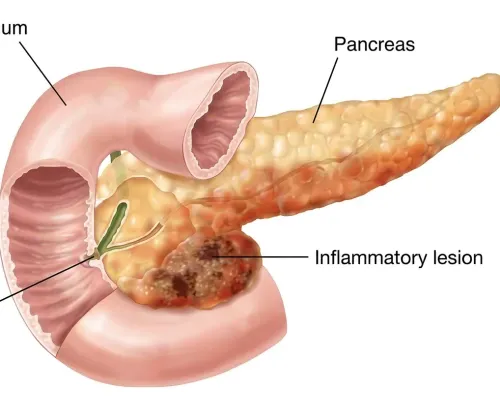
Surgery becomes appropriate when stones cause symptomatic gallstones: repeated right-upper-abdominal pain or biliary colic after fatty meals. Persistent pain, an infected or obstructed gallbladder, or acute cholecystitis requires medical assessment rather than waiting for another attack. Fever, vomiting, jaundice, pancreatitis, and worsening tenderness raise concern for complications involving the gallbladder, bile duct, or pancreas.
Seek urgent care for:
- Severe or persistent right-upper-abdominal pain
- Fever with chills, repeated vomiting, or inability to keep fluids down
- Yellow skin or eyes, dark urine, or pale stools
- Confusion, faintness, or rapidly worsening weakness
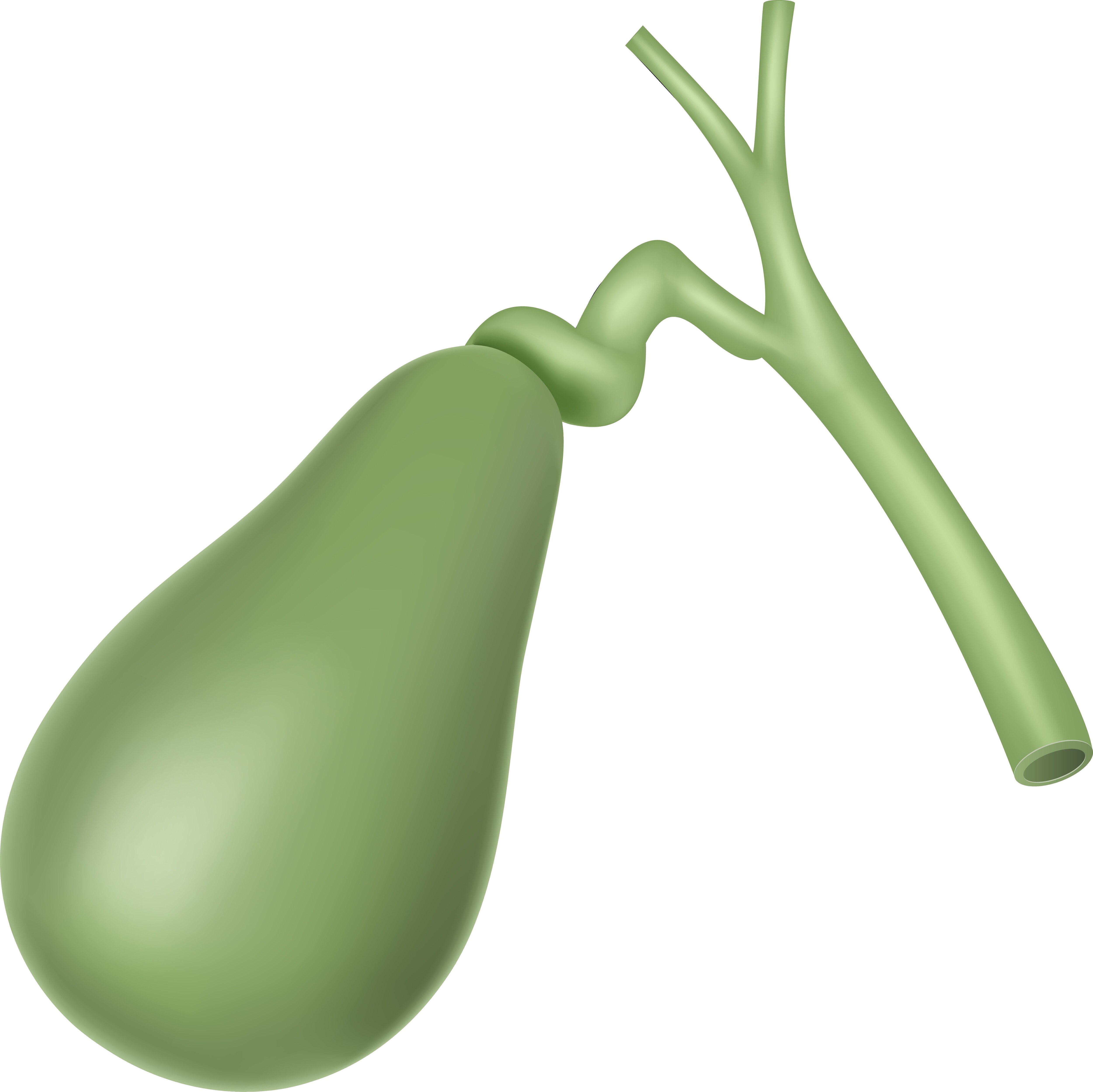
For symptomatic stones without acute inflammation, laparoscopic cholecystectomy is the definitive treatment because it removes the gallbladder that forms and releases the stones. Pain medicine can control an attack, and avoiding fatty meals can reduce triggers, but neither removes the stones or prevents recurrence.
Antibiotics can stabilise an infected gallbladder, especially during severe inflammation, but they are not equivalent to source control; surgery is preferred when you can safely undergo it.
How Doctors Confirm Gallbladder Disease and Recognise an Emergency
Doctors usually confirm gallbladder disease in a stepwise sequence, starting with an examination and abdominal ultrasound. The scan looks for gallstones, gallbladder-wall thickening, fluid or tenderness suggesting inflammation, and enlargement of the bile ducts.
1. Blood tests add context. Liver-function tests and bilirubin can indicate that a stone is blocking bile flow, especially when results are abnormal alongside jaundice, dark urine, or pale stools.
2. Doctors order amylase and lipase tests for pancreatitis symptoms, such as severe upper-abdominal pain that spreads to the back, repeated vomiting, or marked tenderness. Raised results can shift treatment away from routine gallbladder surgery toward pancreatitis care.
3. If ultrasound does not show a common-bile-duct stone but symptoms or blood tests keep suspicion high, magnetic resonance cholangiopancreatography (MRCP) maps the ducts without inserting an endoscope. Endoscopic ultrasound (EUS) is another option when MRCP is unsuitable or inconclusive.
ERCP is usually reserved for a confirmed obstruction or a clear need to remove the stone because it can cause pancreatitis.
Seek urgent medical care now for severe or persistent pain, fever with chills, yellow skin or eyes, dark urine, pale stools, confusion, or inability to keep fluids down. These signs can indicate an infected or obstructed bile duct, sepsis, or pancreatitis; do not wait for a routine appointment.
What Must Be Settled Before the Operation
Before gallbladder surgery, settle five safety issues: your medicines, fasting before gallbladder surgery, blood results, anaesthesia fitness, and the operation’s timing. Bring every prescription, over-the-counter drug and supplement to the preoperative medication review.
- Follow the hospital’s fasting instructions exactly; eating or drinking too close to anaesthesia can increase aspiration risk.
- Blood tests commonly include a full blood count, liver-function tests, bilirubin, kidney function and clotting tests.
- Tell the anaesthetist about heart or lung disease, previous anaesthetic problems, allergies, loose teeth and sleep apnoea.
- Get a specific plan for insulin or other diabetes medicines; fasting changes glucose control.
- Do not stop warfarin, apixaban, rivaroxaban, clopidogrel or aspirin without instructions. The team must balance bleeding against clot risk and set restart timing.
Common-bile-duct stone evaluation prevents a retained stone from causing jaundice, infection or pancreatitis after surgery.
| Test or procedure | Main purpose | Usual role |
|---|---|---|
| MRCP | MRI images of the bile ducts | Intermediate probability; non-invasive |
| Endoscopic ultrasound | Close ultrasound images of the duct | Intermediate probability when MRCP is unsuitable or inconclusive |
| ERCP | Endoscopic stone removal or drainage | Mainly therapeutic; carries pancreatitis risk |
A confirmed duct stone needs planned clearance by endoscopy, surgical exploration or another duct-clearance strategy. Removing the gallbladder does not remove a stone already lodged in the duct.
For suitable patients with acute cholecystitis, plan laparoscopic removal within one week. After mild gallstone pancreatitis, operate during the same admission. Delay surgery for severe or necrotizing pancreatitis until inflammation and collections settle. Antibiotics and percutaneous cholecystostomy treat severe infection or bridge an unstable patient; they are not routine substitutes for source control.
What Happens During Surgery—and Why the Plan Can Change
The laparoscopic cholecystectomy steps use several small abdominal incisions. Carbon-dioxide insufflation gently expands the abdomen, allowing a camera and instruments to enter; the surgeon identifies the gallbladder, clips and divides the cystic duct and cystic artery, separates the gallbladder from the liver, and removes it through an incision.
Removing only stones leaves the gallbladder behind, so it can form new stones and trigger further attacks.
Before dividing either structure, the surgeon obtains the critical view of safety: clears the hepatocystic triangle, separates the lower gallbladder from the liver bed, and confirms that only the cystic duct and cystic artery enter the gallbladder. If inflammation or scarring prevents that view, continuing as planned increases bile-duct injury risk.
| Option | What it means | When it applies |
|---|---|---|
| Laparoscopic | Keyhole removal through small incisions | Usual approach when anatomy is clear |
| Subtotal cholecystectomy | Leaves part of the gallbladder rather than dissecting dangerously | Dense inflammation, adhesions, scarring, bleeding, or unclear anatomy |
| Open surgery | Removal through a larger abdominal incision | Gangrene, perforation, suspected cancer, uncontrolled bleeding, or unsafe laparoscopic anatomy |
The surgeon may convert to open surgery when adhesions, abnormal anatomy, or bleeding make keyhole dissection unsafe. Subtotal cholecystectomy and conversion are safety decisions, not automatic evidence of poor care; both reduce the chance of a major injury when the critical view cannot be secured.
What Gallbladder Removal Can Fix—and What to Ask Your Surgeon
Gallbladder removal can stop gallbladder-origin attacks, but it cannot promise that every upper-abdominal symptom will disappear. Persistent symptoms after gallbladder removal can reflect reflux, peptic disease, functional gastrointestinal disorders, pancreatitis, or a retained or recurrent bile-duct stone; atypical pain needs evaluation rather than automatic attribution to gallstones.
Use a gallbladder surgery consultation to ask:
- Is the diagnosis confirmed by my symptoms, ultrasound, and blood tests, or could another condition explain the pain?
- Has the common bile duct been assessed, and do I need MRCP or endoscopic ultrasound rather than diagnostic ERCP?
- What findings—dense scarring, unclear anatomy, bleeding, gangrene, perforation, or suspected cancer—could require subtotal cholecystectomy or open versus laparoscopic cholecystectomy?
- How will you manage my diabetes medicines and blood thinners before and after surgery?
- Do my symptoms fit gallbladder disease, and what is the plan if they continue?
For a hepatopancreatobiliary surgeon Navi Mumbai consultation, Dr Mayur Porwal 08042753618 can help assess the diagnosis, duct concerns, timing, and operative approach. Surgery is not necessary for every stone, particularly an incidental stone without symptoms.
Related services
Gallbladder stone surgery Gallbladder stone surgery is the removal of the gallbladder to treat gallstones (hardened deposits of bile). View service → |
Laparoscopic Cholecystectomy Laparoscopic cholecystectomy is a minimally invasive surgical procedure to remove the gallbladder, most commonly performed to treat gallstones and... View service → |
Frequently asked questions
When do gallstones need surgery?
Surgery is usually considered when gallstones cause repeated pain, inflammation, infection, obstruction, or another high-risk complication. Symptom-free stones in a normal gallbladder usually need observation.
How do doctors confirm gallbladder disease?
Doctors use your symptoms, examination, blood tests, and abdominal ultrasound. Additional imaging or bile duct testing is chosen when ultrasound or laboratory results suggest obstruction or another complication.
What symptoms make gallbladder disease an emergency?
Severe or persistent upper-right abdominal pain, fever, jaundice, repeated vomiting, confusion, or worsening illness requires urgent medical assessment because it can indicate infection, obstruction, or pancreatitis.
Why can the surgical plan change during gallbladder removal?
Inflammation, scar tissue, bleeding, unclear anatomy, or a stone in the common bile duct can make keyhole surgery unsafe. The surgeon may perform additional procedures or convert to open surgery.
Related service
Biliary Duct Surgery refers to a range of surgical procedures performed on the bile ducts, which are part of the biliary system that transports bile from the liver and... View service → |