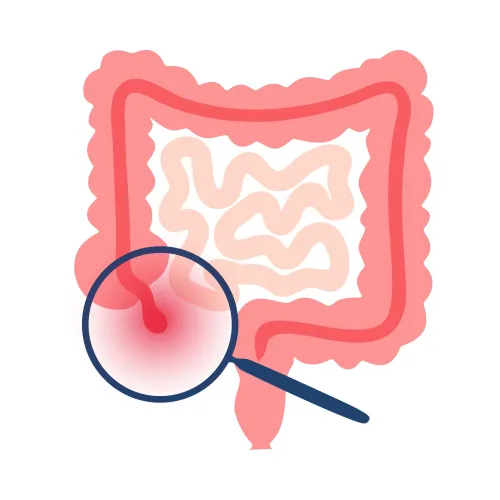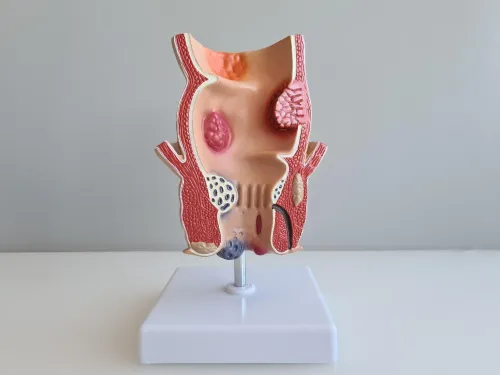
Surgery is not automatically the next step after a bowel symptom, abnormal scan or cancer diagnosis. By comparing treatment choices, test results, operation types, stoma decisions and recovery demands, you can have a more informed discussion about what is appropriate for your disease and overall health.
Key takeaways
- Small removable polyps usually need colonoscopic removal, not bowel surgery.
- Doctors investigate symptoms with examination, colonoscopy, scans and tissue testing.
- The operation depends on whether disease affects the colon, rectum or anus.
- Ask your surgeon how margins, lymph nodes, anastomoses and stomas affect recovery.
When is colorectal surgery necessary, and when is it not?
A small, removable polyp usually needs endoscopic polypectomy during colonoscopy, not bowel surgery. Medicines versus surgery depends on the disease: inflammatory bowel disease is usually treated first with medicines, while dietary treatment may help control symptoms and recovery. After a first uncomplicated diverticulitis episode, doctors commonly monitor recovery rather than operate immediately.
| Option | What it means | When it applies |
|---|---|---|
| Endoscopy | Remove or biopsy tissue through a scope | Polyps or selected early lesions |
| Medicines | Control inflammation or infection without resection | Inflammatory bowel disease and selected infections |
| Monitoring | Examinations and tests without immediate operation | First uncomplicated diverticulitis episode |
| Elective surgery | Planned removal of diseased bowel | Recurrent, complicated or quality-of-life-limiting diverticulitis |
For recurrent diverticulitis, elective colectomy is not triggered by a fixed number of attacks. Doctors weigh abscess, fistula, stricture, perforation, immune status, continuing symptoms, quality of life and operative risk.
Obstruction, perforation, uncontrolled bleeding or severe infection can make colorectal surgery an emergency. Shock, abdominal contamination or poor blood supply can make immediate reconnection unsafe, so the surgeon may create a stoma, drain infection or delay reconstruction.
Selected rectal-cancer patients with a complete clinical response after chemoradiation or total neoadjuvant therapy may enter watch-and-wait, but only with repeated examinations, endoscopy, imaging and blood tests; regrowth can require salvage surgery.
How do doctors investigate the disease and choose the surgical approach?
The work-up establishes the diagnosis, shows how far disease has spread, and identifies risks before surgery. A colonoscopy with biopsy examines the bowel lining and confirms cancer or other disease. A CT scan of the chest, abdomen and pelvis checks spread, obstruction, perforation and nearby organs.
Blood tests include haemoglobin and liver-function tests; stool tests help assess suspected infection or inflammation. Tumour staging then combines these findings to guide treatment.
For rectal cancer, an MRI pelvis rectal cancer assessment is commonly used to map the tumour. Its distance from the anal sphincter, relationship to the mesorectal fascia and contact with nearby organs can determine whether chemotherapy and radiotherapy come before surgery.
| Approach | Main feature | What influences the choice |
|---|---|---|
| Open | One larger abdominal incision and direct access | Obstruction, perforation, extensive disease, dense adhesions or difficult anatomy |
| Laparoscopic | Small incisions using long instruments and a camera | Suitable anatomy, safe visibility and the surgeon’s experience |
| Robotic | Small incisions with articulated instruments and three-dimensional vision | Pelvic access, body habitus, available equipment and surgeon expertise |
Minimally invasive surgery is not automatically better; it remains major surgery. The decision also considers tumour location, prior abdominal operations, locally advanced disease, adequate cancer margins and safe identification of blood vessels, bowel and other organs.
If bleeding, adhesions or cancer extent make keyhole surgery unsafe, conversion to an open operation protects the patient and helps achieve a complete resection. It is a safety decision, not automatically a complication.
Which operation is used for each part of the colon or rectum?
The diseased location determines which bowel is removed, how much healthy tissue remains, and whether reconnection is safe.
| Operation | Tissue removed | Typical use |
|---|---|---|
| Polypectomy | A polyp, usually through a colonoscope | A removable polyp without invasive spread |
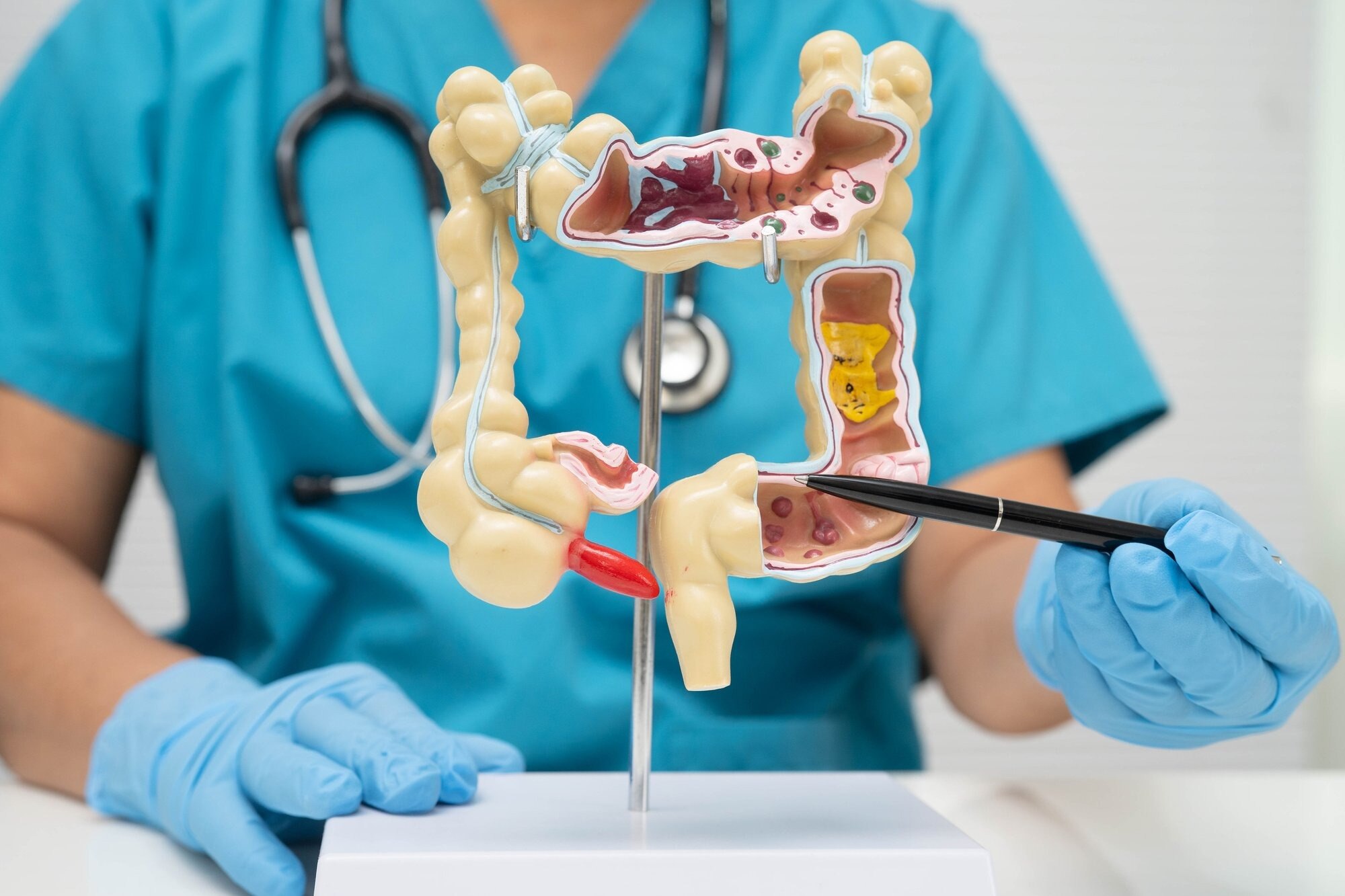
| Right hemicolectomy | Caecum and ascending colon, sometimes part of the transverse colon | Disease in the right colon |
| Left hemicolectomy | Descending colon, sometimes part of the transverse or sigmoid colon | Disease in the left colon |
| Sigmoid colectomy | Sigmoid colon | Disease confined to the sigmoid |
| Segmental colectomy | The affected colon segment | Localised cancer, diverticular disease or another focal problem |
| Total colectomy | The entire colon | Extensive disease affecting most or all of the colon |
| Proctectomy | Part or all of the rectum | Rectal cancer or severe rectal disease |
A colon resection usually includes the segment’s blood supply and draining lymph nodes, with the remaining bowel joined by an anastomosis. If contamination, poor blood flow or illness makes joining unsafe, a temporary or permanent stoma may be required.
Rectal surgery is harder because the bowel lies in a narrow pelvis beside the bladder, ureters and nerves controlling urinary and sexual function. Cancer surgery may require total mesorectal excision, followed by a low pelvic anastomosis.
If the anus or sphincter cannot be preserved safely, abdominoperineal resection removes the rectum and anus and creates a permanent colostomy.
Low rectal surgery also carries greater bowel-function consequences, including urgency, frequent stools, clustering and leakage, alongside a more demanding recovery than many colon operations.
What do margins, lymph nodes, anastomoses and stomas mean?
A clear surgical margin means the pathologist sees no tumour at the cut edge of the removed tissue. Lymph-node removal supplies tissue for staging; examining at least 12 regional lymph nodes is a commonly used colon-cancer quality benchmark, although node count alone does not define an adequate operation.
Pathology can determine whether you need chemotherapy, radiotherapy, surveillance or further treatment.
Anastomosis versus stoma describes two ways to manage the bowel after resection. An anastomosis joins two bowel ends so stool continues through the intestine. An ileostomy brings the small intestine through the abdominal wall, while a colostomy brings the colon through it; both empty into a pouch.
A temporary ileostomy can divert stool away from a low rectal anastomosis while it heals. It does not remove the risk of an anastomotic leak, and reversal requires another operation; healing problems, cancer treatment, poor health or limited expected benefit can delay or prevent reversal.
A leak can cause pain, fever, rapid heartbeat or worsening illness. Treatment may involve:
- Drainage of an infected collection
- Antibiotics and hospital monitoring
- Reoperation, further diversion or a permanent stoma
A permanent stoma can be the safest planned result when the anus or sphincter must be removed, reconnection is unsafe, or expected bowel control would be poor. It is not necessarily a surgical failure.
How should you prepare for colorectal surgery and plan recovery?
Your preparation starts with the operating team’s exact instructions, not an over-the-counter bowel preparation. Bowel preparation differs for elective and emergency surgery, especially with obstruction, perforation or kidney disease.
1. Follow the prescribed bowel-preparation regimen and take oral antibiotics only when prescribed. Complete fasting before surgery for the instructed period; do not extend it without advice.
2. Give the team every medicine, supplement and allergy. Adjust anticoagulants only under medical direction, because stopping them can cause clots and continuing them can increase bleeding.
3. Ask for nutrition assessment, and discuss smoking and alcohol use honestly. Improve protein intake or stop smoking before surgery when your team recommends it.
4. Arrange transport, help with meals and bathing, and someone to stay with you after discharge. If a stoma is possible, request preoperative marking and pouch-care teaching.
ERAS recovery pathways combine appropriate fasting, multimodal pain relief, early eating and mobilisation. They support recovery but do not make major surgery minor surgery.
Before discharge, learn the warning signs: fever, worsening pain, persistent vomiting, abdominal swelling, no stool or gas, breathlessness, leg swelling, bleeding, wound separation or pus. These can indicate infection, anastomotic leakage, ileus, obstruction, venous thromboembolism or wound failure; incisional hernia can appear later.
After low rectal resection, urgency, frequent stools, clustering and leakage indicate low anterior resection syndrome. Diet changes, medicines and pelvic-floor therapy can help. Urinary or sexual dysfunction can follow pelvic nerve injury.
Dr Mayur Porwal 08042753618 in Navi Mumbai can help clarify the operation, alternatives, stoma likelihood, pathology plan and recovery support together.
Related services
Laparoscopic Colorectal Surgery Laparoscopic Colorectal Surgery Colorectal surgery refers to surgical procedures performed on the colon, rectum, and anus. View service → |
Colorectal Cancer Surgery Colorectal cancer surgery is the most common and effective treatment for removing cancer in the colon or rectum. View service → |
Frequently asked questions
When is colorectal surgery necessary, and when is it not?
Surgery can be necessary for colorectal cancer, bowel obstruction, perforation, uncontrolled bleeding, certain complicated infections and disease that does not respond to medical treatment. A small removable polyp usually needs endoscopic polypectomy during colonoscopy, while inflammatory bowel disease is usually treated first with medicines. After a first uncomplicated diverticulitis episode, doctors commonly monitor recovery rather than operate immediately.
How do doctors investigate colorectal disease and choose the surgical approach?
Doctors combine your symptoms and examination with tests such as colonoscopy, biopsy, blood tests and CT or MRI scans. The disease location, its extent, complications, previous operations and your general health help determine whether treatment uses open, laparoscopic or robotic surgery.
Which operation is used for each part of the colon or rectum?
The operation is named for the section removed, such as right hemicolectomy, left hemicolectomy, sigmoid colectomy, total colectomy or anterior resection. Low rectal cancers can require an abdominoperineal resection when the anus and sphincter cannot be preserved.
What do margins, lymph nodes, anastomoses and stomas mean?
Margins are the edges of removed tissue checked for disease. Lymph nodes are removed and examined for cancer spread. An anastomosis joins two bowel ends, while a stoma brings bowel through the abdominal wall to drain into a bag.
How should you prepare for colorectal surgery and plan recovery?
Ask about bowel preparation, fasting, medicines such as blood thinners, smoking, nutrition, and the expected operation. Plan for wound care, pain control, diet changes, activity limits, bowel-function changes and help at home. Ask when you can drive, work and seek urgent care.
Related services
Proctology surgery Proctology is the medical specialty that deals with diseases of the rectum, anus, and colon. View service → |
Laparoscopic and robotics surgery for Gastroenterologist Laparoscopic and robotics surgery for Gastroenterologist Laparoscopic and robotic surgeries have revolutionized the field of gastroenterology by offering minimally invasive alternatives to traditional open... View service → |