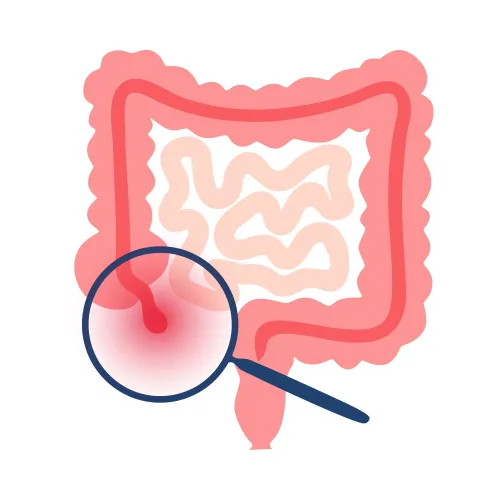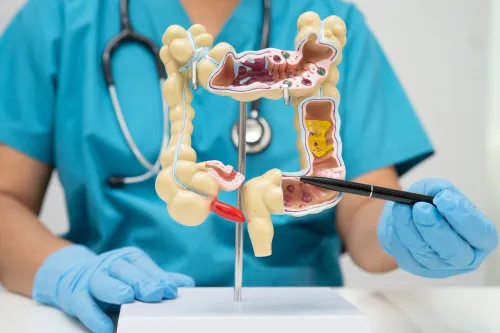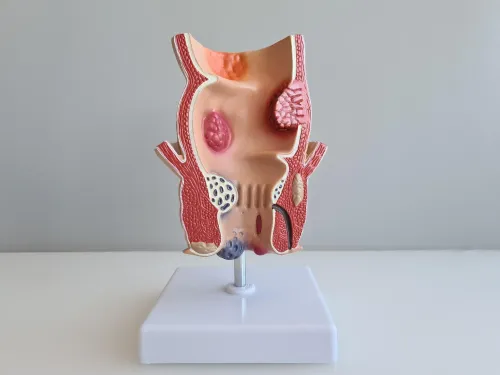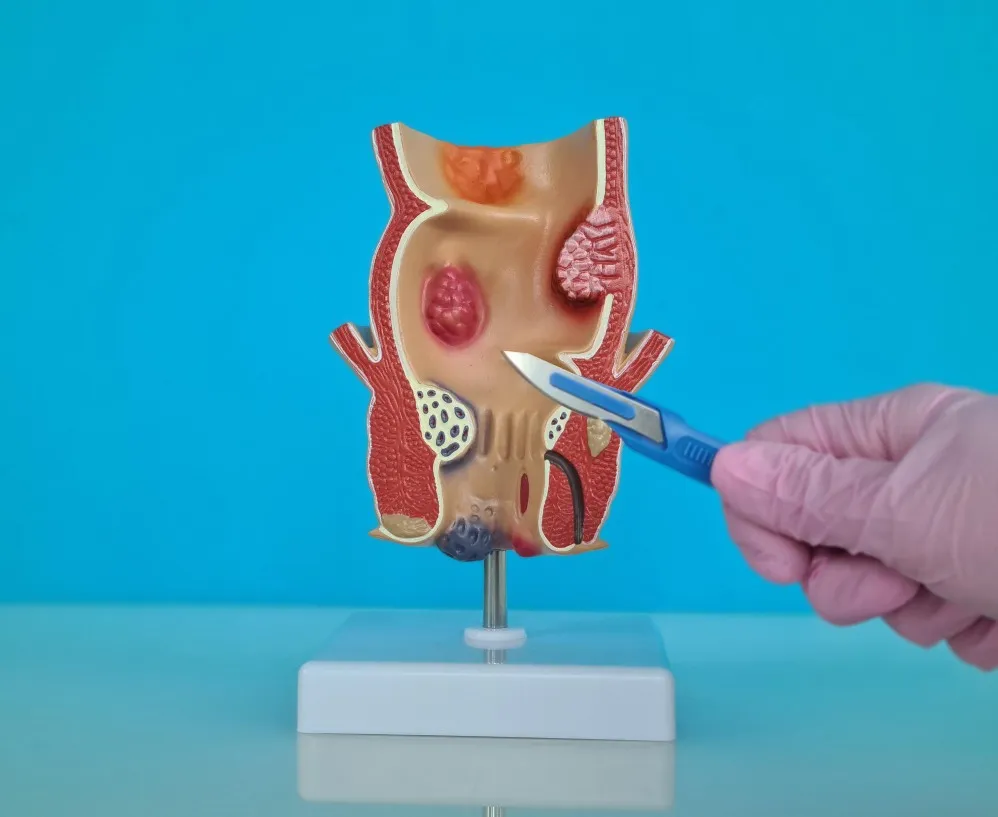
Piles, medically known as haemorrhoids, are swollen vascular cushions in or around the anal canal. They can cause bleeding, prolapse, itching, discomfort, or difficulty maintaining hygiene. Yet having piles does not automatically mean that an operation is necessary.
For people considering piles surgery in Ghansoli, understanding the difference between conservative management, office-based procedures and surgical treatment can make the decision easier.
When Conservative Treatment May Be Considered
Mild haemorrhoidal symptoms can sometimes improve with measures that reduce constipation and straining. Depending on the patient's condition, advice may include increasing dietary fibre, drinking adequate fluids, improving bowel habits, and avoiding prolonged straining.
Medication may provide symptom relief, but persistent rectal bleeding should not automatically be assumed to come from piles.
Bleeding can have other colorectal causes, making examination particularly important when symptoms are new, recurrent, unexplained, or accompanied by changes in bowel habits.
When Procedures Become Relevant
Treatment is influenced by whether the haemorrhoids are internal or external, the degree of prolapse, bleeding frequency, previous treatment and severity of symptoms.
Options may include office-based procedures for selected haemorrhoids and operative techniques for more advanced or persistent disease.
No single technique is automatically best for every patient.
Comparing Treatment Decisions
A useful evaluation considers several questions:
- How frequently does bleeding occur?
- Is there prolapse during bowel movements?
- Does the prolapse return by itself?
- Is manual reduction required?
- Is there significant external disease?
- Have symptoms continued despite conservative measures?
- Has another source of bleeding been excluded?
These details help determine whether continued conservative treatment or a procedure is more appropriate.
Why Diagnosis Should Come First
Self-diagnosing every episode of rectal bleeding as piles can delay recognition of fissures, polyps, inflammatory bowel conditions, or other colorectal problems.
An examination may include inspection and appropriate evaluation of the anal canal and rectum. Further investigations can be advised according to age, symptoms, risk factors and clinical findings.
For patients in Ghansoli and the wider Navi Mumbai region of Maharashtra, Dr Mayur Porwal can assess haemorrhoidal symptoms and discuss treatment according to their grade and clinical presentation.
The aim of a surgical consultation is not simply to recommend an operation. It is to identify the cause of symptoms and determine which level of treatment is justified. Patients benefit most when the procedure is selected for the actual disease rather than choosing a technique first and trying to fit the diagnosis around it.
Keywords