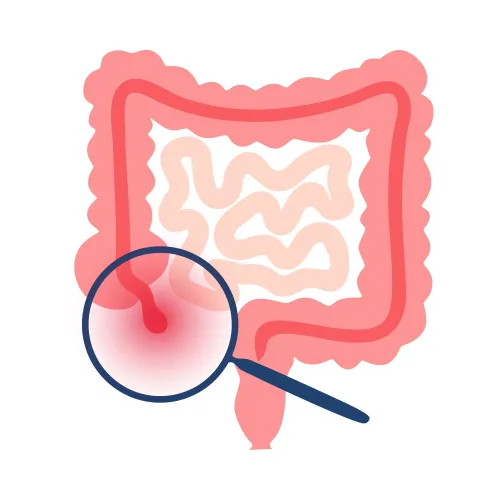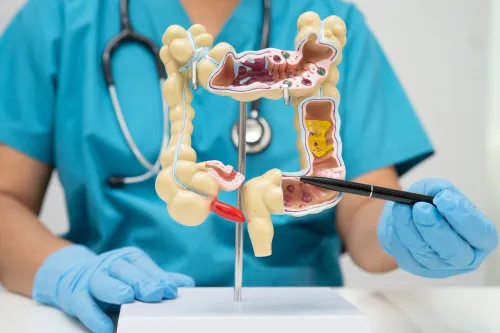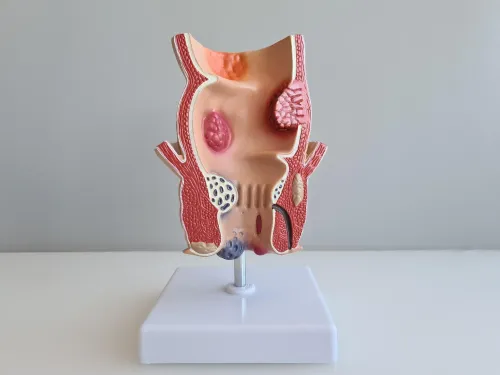
Appendicitis often begins with abdominal discomfort that can initially seem similar to indigestion or a stomach infection. Over time, however, the pain may become more persistent and move toward the lower right side of the abdomen.
Understanding when appendix surgery may be needed is useful because acute appendicitis can progress if appropriate assessment is delayed.
For patients in Airoli, Navi Mumbai, evaluation usually starts with the symptoms and physical examination. Blood tests and imaging may then be used to support the diagnosis, depending on the clinical situation.
Common Features of Appendicitis
Symptoms vary, but frequently reported features include:
- Abdominal pain that becomes more localised
- Pain in the lower right abdomen
- Reduced appetite
- Nausea or vomiting
- Fever
- Pain that worsens with movement
- Abdominal tenderness
Not everyone experiences the classic sequence of symptoms. Children, older adults, pregnant women, and people with unusual appendix positions may have less typical presentations.
Why Timing Matters
An inflamed appendix can sometimes perforate, allowing infection to spread within the abdomen. This can lead to an abscess or peritonitis and may change the treatment required.
Persistent or worsening abdominal pain should therefore not be managed solely with repeated painkillers without determining its cause.
How Is the Appendix Removed?
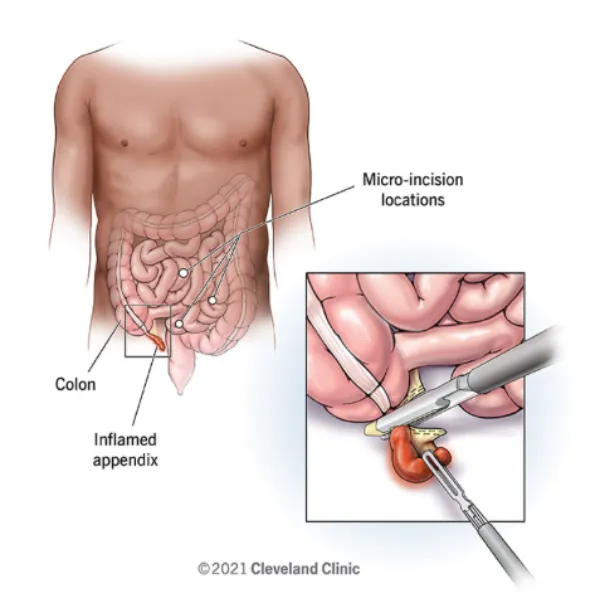
Appendectomy is the operation used to remove an inflamed appendix. In suitable cases, laparoscopic surgery may be performed using small incisions and a camera.
Open appendectomy remains appropriate in certain situations. The final technique depends on factors such as the severity of infection, previous abdominal surgery, anatomical findings and the patient's overall condition.
Treatment may also involve antibiotics and supportive care. In selected complicated cases, particularly where an abscess has formed, management can differ from straightforward acute appendicitis.
What Should Patients Ask?
Before an operation, patients or family members can ask whether imaging confirms appendicitis, whether perforation is suspected, which surgical approach is planned and what recovery is likely to involve.
Dr Mayur Porwal can evaluate suspected appendicitis and explain the surgical approach according to the findings rather than relying on symptoms alone.
Across Airoli and neighbouring areas of Maharashtra, sudden abdominal pain deserves appropriate assessment when it persists or becomes progressively worse. Appendicitis is one possible cause, and early clinical evaluation helps determine whether surgery, observation, antibiotics, or another treatment pathway is appropriate.
Keywords