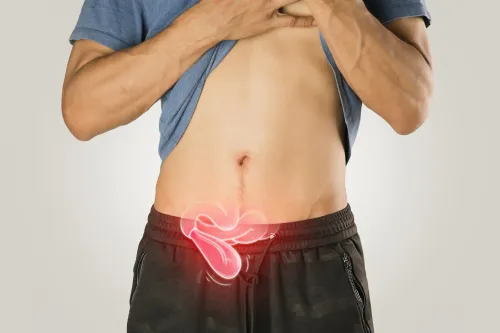
A hernia is a common surgical condition that occurs when an internal organ or fatty tissue pushes through a weak area in the abdominal wall or surrounding muscles. While some hernias may initially cause only mild discomfort, they do not heal on their own and can gradually become larger or lead to serious complications if left untreated. Advances in surgical techniques now allow many hernia repairs to be performed using minimally invasive methods, helping suitable patients experience less postoperative discomfort and a quicker return to normal activities.
If you are looking for Advanced Hernia Surgery for Abdominal Wall Defects in Belapur, understanding the causes, symptoms, and available treatment options can help you seek timely medical care.
What Is an Abdominal Wall Hernia?
The abdominal wall is made up of muscles and connective tissues that support and protect the organs inside the abdomen. When a weak spot develops in this wall, tissue or part of an organ may protrude through it, creating a visible or palpable bulge known as a hernia.
Hernias can develop gradually over time or appear after activities that increase pressure inside the abdomen.
Common types of abdominal wall hernias include:
- Inguinal hernia
- Femoral hernia
- Umbilical hernia
- Incisional hernia
- Epigastric hernia
- Ventral hernia
Each type varies in location and may require a different surgical approach.
What Causes a Hernia?
Several factors can weaken the abdominal wall or increase pressure inside the abdomen, making a hernia more likely.
Common risk factors include:
- Heavy lifting without proper support
- Chronic coughing
- Obesity
- Pregnancy
- Previous abdominal surgery
- Chronic constipation and straining
- Age-related weakening of muscles
- Family history of hernias
Some people are also born with naturally weaker areas in the abdominal wall that become noticeable later in life.
Symptoms That Should Not Be Ignored
The symptoms of a hernia depend on its size and location. In the early stages, patients may only notice a small swelling that appears during standing, coughing, or lifting heavy objects.
Other common symptoms include:
- A visible bulge in the abdomen or groin
- Pain or discomfort while bending, lifting, or coughing
- A feeling of heaviness or pressure
- Burning or aching sensation around the swelling
- Swelling that enlarges over time
Seek immediate medical attention if the hernia becomes painful, firm, cannot be pushed back, or is associated with nausea, vomiting, or severe abdominal pain, as these may indicate an emergency requiring urgent surgery.
How Is Hernia Diagnosed?
Most hernias can be diagnosed through a detailed clinical examination. However, imaging tests may be recommended when the diagnosis is uncertain or to plan surgery.
Your surgeon may advise:
- Physical examination
- Ultrasound
- CT scan
- MRI in selected cases
These investigations help determine the size of the defect and identify the most appropriate treatment plan.
Why Surgery Is the Definitive Treatment
Unlike muscle strains or minor injuries, a hernia does not heal naturally. Wearing support belts or avoiding physical activity may temporarily reduce symptoms, but they do not repair the weakened abdominal wall.
Surgery is recommended to:
- Repair the abdominal wall defect
- Prevent enlargement of the hernia
- Reduce the risk of bowel obstruction or strangulation
- Relieve pain and discomfort
- Improve quality of life
The timing of surgery depends on the patient's symptoms, general health, and the type of hernia.
Modern Hernia Repair Techniques
Advancements in surgical care have expanded the options available for hernia treatment.
Laparoscopic Hernia Repair
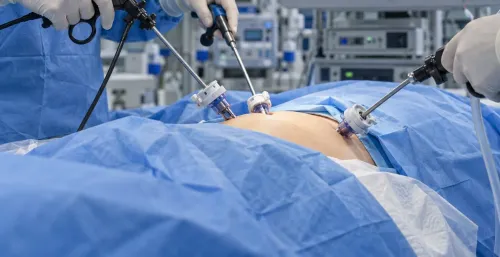
This minimally invasive approach uses small incisions and specialized instruments to repair the hernia. Many patients experience less postoperative pain, shorter hospital stays, and an earlier return to routine activities when compared with traditional open surgery in suitable cases.
Open Hernia Repair
Open surgery remains an effective option for larger, recurrent, or complex hernias. The technique is selected based on the patient's individual condition and surgical requirements.
In many procedures, a surgical mesh may be used to reinforce the abdominal wall and reduce the likelihood of recurrence.
Recovery After Hernia Surgery
Recovery varies depending on the type of hernia and the surgical technique used.
Patients are generally encouraged to:
- Walk regularly to improve circulation
- Avoid heavy lifting until permitted
- Eat a fibre-rich diet to prevent constipation
- Keep the surgical wound clean
- Attend follow-up appointments as scheduled
- Gradually return to normal activities based on medical advice
Following postoperative instructions carefully contributes to a smoother recovery and long-term surgical success.
Choosing Experienced Surgical Care
Successful hernia treatment involves more than simply repairing a defect. Careful evaluation, appropriate surgical planning, and selecting the most suitable technique are essential for achieving durable results while minimizing complications.
Patients seeking Advanced Hernia Surgery for Abdominal Wall Defects in Belapur often benefit from consulting a surgeon with expertise in gastrointestinal and advanced laparoscopic surgery. Dr. Mayur Porwal provides comprehensive assessment and evidence-based surgical management for various types of abdominal wall hernias, tailoring treatment to each patient's condition and overall health.
For residents of Belapur and other parts of Navi Mumbai, early evaluation of a persistent abdominal or groin swelling can prevent complications and expand treatment options. Modern hernia surgery offers safe and effective solutions that help patients return to their daily routines with improved comfort and confidence when performed at the appropriate stage of the condition.
Keywords