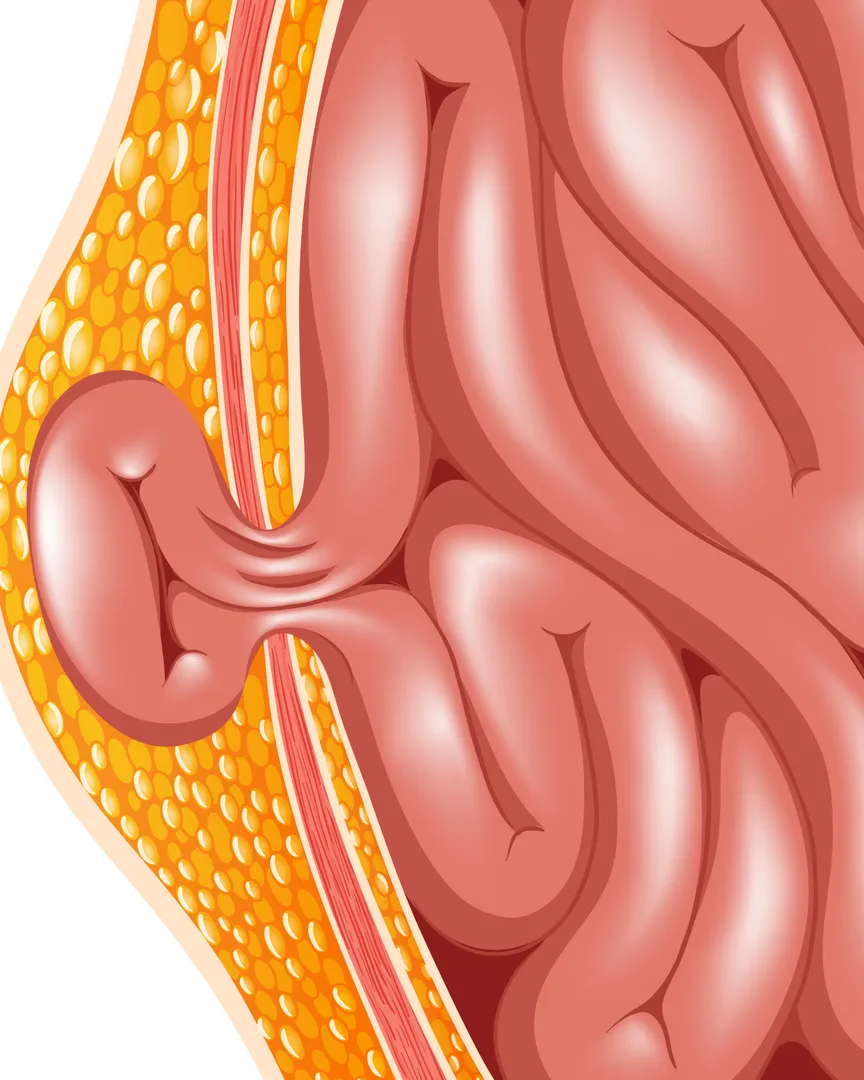
A bulge at or around the navel is a common sign of an umbilical hernia. In adults, the condition develops when abdominal tissue pushes through a weak area near the umbilicus. Some hernias remain relatively small, while others enlarge or become increasingly uncomfortable.
Patients considering umbilical hernia surgery in Kopar Khairane often want to know whether they can safely wait or should plan a repair.
There is no single answer for every adult.
Factors That Influence the Decision
A surgeon may consider the size of the defect, pain, changes in the swelling, ability to reduce the hernia, lifestyle, medical conditions and risk of complications.
Features that deserve evaluation include:
- Increasing size of the bulge
- Pain or tenderness
- Discomfort during physical activity
- Difficulty reducing the swelling
- Previous episodes of significant pain
- Changes in the overlying skin
Sudden severe pain, vomiting, abdominal swelling, or a firm hernia that no longer reduces can indicate a complication requiring urgent assessment.
How Is an Umbilical Hernia Repaired?
The basic goal is to return the protruding contents to their proper position and repair the abdominal wall defect.
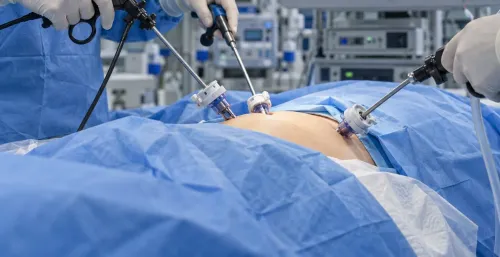
Depending on the hernia, repair may involve sutures, mesh reinforcement, an open operation, or a minimally invasive technique. The appropriate approach depends on the defect size and characteristics, previous repairs, body habitus and other clinical considerations.
Mesh can reduce recurrence risk in many adult hernia situations, but its use and placement should be discussed according to the individual case.
Avoiding Common Decision-Making Mistakes
One common mistake is assuming that a painless hernia can never cause future problems. Another is assuming that every small umbilical hernia requires immediate surgery.
Patients may also focus entirely on whether the procedure can be performed through small incisions. Surgical safety, appropriate repair technique and recurrence risk are equally important considerations.
Dr Mayur Porwal assesses abdominal wall hernias based on examination and, where necessary, imaging before recommending a repair strategy.
For adults in Kopar Khairane and nearby parts of Navi Mumbai, Maharashtra, a planned consultation is particularly useful when the hernia is enlarging, causing discomfort, or affecting work and daily activities.
The purpose of assessment is to establish the type and extent of the defect and decide whether monitoring or elective repair is appropriate. Understanding those factors before surgery also helps patients develop realistic expectations about activity restrictions and recovery.
Keywords