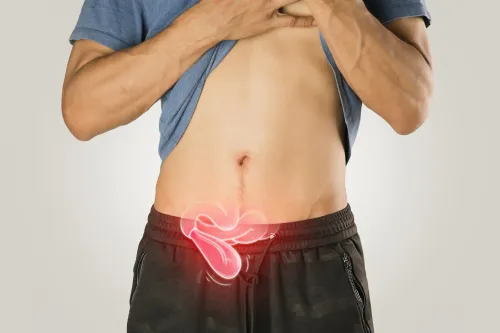
Abdominal pain can have many causes, but pain that begins near the navel and gradually shifts to the lower right side of the abdomen is one of the classic signs of appendicitis. This condition occurs when the appendix becomes inflamed and requires prompt medical evaluation. If left untreated, the appendix can rupture, leading to a serious infection inside the abdomen. Fortunately, modern surgical techniques have made appendix removal a safe and effective procedure, with many patients experiencing shorter hospital stays and quicker recovery.
For those searching for Safe Appendix Removal with Minimal Hospital Stay in Ghansoli, understanding the symptoms, diagnosis, and treatment process can help ensure timely medical care.
What Is the Appendix?
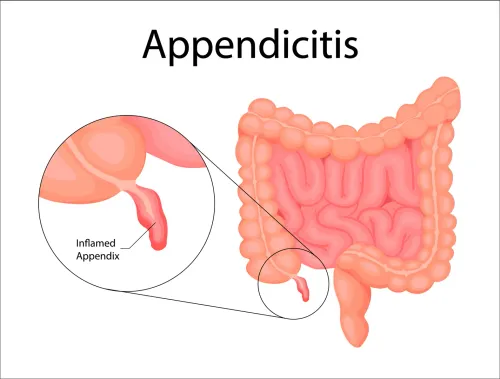
The appendix is a small, finger-shaped pouch attached to the beginning of the large intestine. Although its exact function is not fully understood, it is not considered essential for normal digestion.
When the appendix becomes blocked, bacteria can multiply inside it, causing inflammation known as appendicitis. This condition is a medical emergency because delaying treatment increases the risk of rupture.
What Causes Appendicitis?
Appendicitis develops when the opening of the appendix becomes blocked. Several factors may contribute to this blockage, including:
- Hardened stool
- Swollen lymphoid tissue
- Intestinal infections
- Rarely, tumors or foreign bodies
Once blocked, the appendix can swell, become infected, and eventually burst if treatment is delayed.
Recognizing the Symptoms
The symptoms of appendicitis often develop suddenly and worsen over several hours.
Common warning signs include:
- Pain that starts around the navel and moves to the lower right abdomen
- Pain that becomes more severe while walking or coughing
- Loss of appetite
- Nausea or vomiting
- Mild fever
- Abdominal swelling
- Constipation or diarrhea in some patients
Not everyone experiences the same symptoms. Children, older adults, and pregnant women may present differently, making prompt medical evaluation especially important.
How Is Appendicitis Diagnosed?
Because abdominal pain has many possible causes, doctors perform a careful evaluation before recommending surgery.
Diagnosis may include:
- Detailed medical history and physical examination
- Blood tests to detect signs of infection
- Urine examination to rule out urinary conditions
- Ultrasound of the abdomen
- CT scan when additional information is required
Early diagnosis allows treatment before complications such as perforation or abscess formation occur.
Why Appendix Removal Is Recommended
Once appendicitis is confirmed, surgical removal of the appendix, known as an appendectomy, is usually the preferred treatment.
Removing the inflamed appendix helps:
- Prevent rupture
- Eliminate the source of infection
- Reduce the risk of severe abdominal complications
- Relieve pain caused by inflammation
In selected cases identified very early, antibiotics may be considered under close medical supervision. However, surgery remains the standard treatment for most patients with acute appendicitis.
Laparoscopic Appendectomy: A Modern Approach
Today, many appendectomies are performed using laparoscopic surgery. This minimally invasive technique involves small incisions through which a camera and specialized instruments are inserted to remove the appendix.
Potential advantages for suitable patients include:
- Smaller incisions
- Reduced postoperative discomfort
- Lower risk of wound-related complications
- Shorter hospital stay
- Faster return to normal daily activities
- Smaller surgical scars
If the appendix has already ruptured or complications are present, the surgeon may recommend an open procedure depending on the clinical situation.
Recovery After Appendix Surgery
Most patients recover well after appendectomy, although recovery time depends on whether the appendix was removed before or after rupture.
Patients are generally advised to:
- Begin walking as recommended after surgery
- Eat light meals before gradually resuming a regular diet
- Keep the surgical wound clean and dry
- Avoid heavy lifting for a few weeks
- Complete the prescribed course of medications
- Attend follow-up visits to monitor healing
Prompt recovery also depends on seeking treatment before the appendix ruptures.
Choosing Experienced Surgical Care
Appendicitis requires timely diagnosis and appropriate surgical management to prevent potentially serious complications. Modern laparoscopic surgery has made appendix removal safer and more comfortable for many patients, but the success of treatment depends on early intervention and careful surgical planning.
Patients looking for Safe Appendix Removal with Minimal Hospital Stay in Ghansoli often benefit from consulting a surgeon experienced in gastrointestinal and advanced laparoscopic surgery. Dr. Mayur Porwal provides comprehensive evaluation and treatment for appendicitis and other gastrointestinal conditions using evidence-based surgical techniques tailored to each patient's medical needs.
For residents of Ghansoli and surrounding areas of Navi Mumbai, persistent abdominal pain should never be ignored or managed solely with home remedies. Early medical assessment allows prompt diagnosis, timely treatment, and access to minimally invasive surgical options that can support a smoother recovery and reduce the likelihood of complications.
Keywords