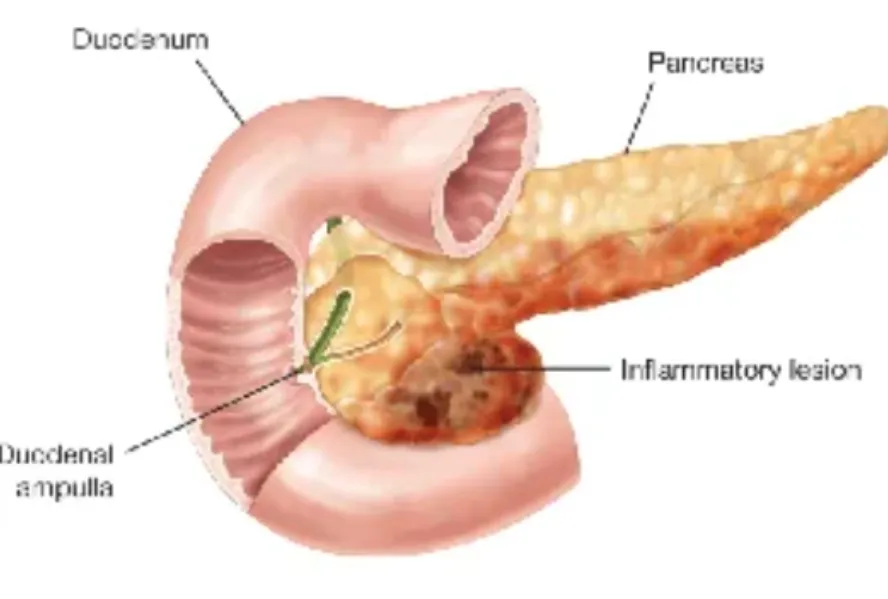
The pancreas has an important role in digestion and blood glucose regulation. Because it lies deep within the abdomen and is closely connected to major blood vessels and digestive structures, pancreatic disease requires careful investigation before treatment decisions are made.
Patients exploring pancreas surgery in Belapur may have been referred after imaging identifies a pancreatic tumour, cyst, chronic inflammatory change, or another abnormality. Importantly, not every pancreatic condition requires an operation.
Why Pancreatic Diagnosis Comes Before Surgical Planning
Symptoms associated with pancreatic disorders can overlap with many gastrointestinal conditions. Depending on the underlying disease, a person may experience upper abdominal pain, pain radiating toward the back, unexplained weight loss, reduced appetite, vomiting, or jaundice.
Evaluation may involve:
- Blood investigations
- Ultrasound in selected situations
- CT scanning
- MRI or MRCP
- Endoscopic ultrasound
- Biopsy or tissue assessment when clinically appropriate
The purpose is to understand what the abnormality is, where it is located, whether surrounding structures are involved, and whether surgery is likely to provide meaningful benefit.
Different Pancreatic Conditions Need Different Operations
There is no single operation called pancreatic surgery that is suitable for every disorder.
A lesion involving the head of the pancreas may require a different procedure from one involving the body or tail. Some pancreatic cysts may only require monitoring, while others may need intervention based on their characteristics and associated risk.
For pancreatic cancer, surgery is generally considered only after evaluating whether the disease is technically resectable and whether the patient's overall condition permits a major operation. Treatment planning may also involve medical oncology, gastroenterology, radiology, pathology and other specialties.
Why Experience and Planning Matter
Pancreatic procedures can be technically complex. Surgical planning includes understanding the relationship between the pancreas, bile duct, intestine, stomach and nearby blood vessels.
Patients should understand:
- The exact diagnosis
- Why surgery is being recommended
- Which operation is proposed
- Important risks and possible complications
- Expected hospital recovery
- Whether additional treatment may be necessary
Dr Mayur Porwal evaluates surgical conditions with attention to diagnosis and suitability for intervention rather than treating an imaging finding in isolation.
For patients in Belapur and the wider Navi Mumbai region of Maharashtra, pancreatic evaluation should begin with establishing a clear diagnosis. A well-planned consultation helps distinguish conditions that can be observed from those requiring surgery or multidisciplinary treatment.
Keywords