The pancreas is a vital organ that plays an important role in digestion and blood sugar regulation. When diseases affecting the pancreas develop, they can significantly impact a person's health and quality of life. Conditions such as pancreatic cysts, chronic pancreatitis, pancreatic tumors, and certain digestive disorders may require surgical treatment when medications or other therapies are no longer effective. Fortunately, advances in minimally invasive surgery have made pancreatic procedures safer and more precise for carefully selected patients.
If you are exploring Minimally Invasive Pancreas Surgery for Digestive System Disorders in Vashi, understanding when surgery is recommended and what recovery involves can help you make informed decisions about your treatment.
What Is Minimally Invasive Pancreas Surgery?
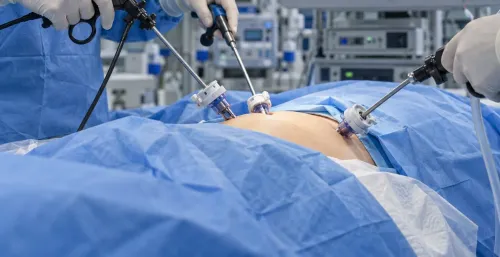
Minimally invasive pancreas surgery uses small incisions, specialized surgical instruments, and a high-definition camera to perform complex pancreatic procedures. Compared to conventional open surgery, laparoscopic techniques are designed to reduce tissue trauma while allowing surgeons to perform delicate operations with excellent visualization.
Not every pancreatic condition can be treated laparoscopically. The decision depends on factors such as the type of disease, the location of the affected area, the size of the lesion, and the patient's overall health.
Conditions That May Require Pancreatic Surgery
Pancreatic surgery may be considered for several medical conditions, including:
- Pancreatic cysts with concerning features
- Benign pancreatic tumors
- Pancreatic cancer in suitable candidates
- Neuroendocrine tumors
- Chronic pancreatitis causing severe pain or complications
- Pancreatic trauma
- Certain congenital abnormalities affecting the pancreas
Early diagnosis often provides more treatment options and can improve long-term outcomes.
Common Symptoms That Should Be Evaluated
Pancreatic disorders do not always produce symptoms during the early stages. However, patients should seek medical evaluation if they experience:
- Persistent upper abdominal pain
- Pain radiating to the back
- Unexplained weight loss
- Frequent indigestion
- Nausea or vomiting
- Loss of appetite
- Jaundice
- New-onset diabetes without an obvious cause
These symptoms are not specific to pancreatic disease alone, making proper diagnostic testing essential.
How Doctors Determine Whether Surgery Is Needed
Before recommending surgery, specialists perform a detailed assessment to understand the nature and extent of the condition.
This evaluation may include:
- A comprehensive medical history and physical examination
- Blood investigations, including pancreatic and liver function tests
- Contrast-enhanced CT scan or MRI
- Endoscopic ultrasound (EUS) when indicated
- Biopsy or tissue sampling in selected cases
A multidisciplinary approach involving surgeons, gastroenterologists, radiologists, and oncologists may be recommended for complex pancreatic conditions.
Benefits of Minimally Invasive Pancreatic Surgery
When performed in carefully selected patients, minimally invasive pancreatic surgery offers several potential advantages over traditional open procedures.
These may include:
- Smaller surgical incisions
- Reduced postoperative pain
- Less blood loss during surgery
- Lower risk of wound-related complications
- Shorter hospital stay in appropriate cases
- Earlier return to daily activities
- Improved cosmetic results
However, patient safety remains the priority. If a minimally invasive approach is not suitable, open surgery may provide the safest and most effective treatment.
Recovery After Pancreatic Surgery
Recovery depends on the type of procedure performed and the patient's overall health. Pancreatic surgery is a major operation that requires careful postoperative care.
Patients are generally advised to:
- Follow a gradual diet progression as recommended by the medical team
- Stay physically active with light walking during recovery
- Take prescribed medications regularly
- Attend scheduled follow-up appointments
- Report fever, persistent pain, vomiting, or wound-related concerns promptly
The healthcare team also monitors pancreatic function, digestion, and nutritional status during recovery to support long-term health.
Why Expertise Matters in Pancreatic Surgery
Pancreatic surgery is among the most technically demanding procedures in gastrointestinal surgery because of the pancreas' close relationship with major blood vessels and surrounding organs. Successful outcomes depend on careful patient selection, meticulous surgical planning, and experienced postoperative management.
Patients looking for Minimally Invasive Pancreas Surgery for Digestive System Disorders in Vashi often benefit from consulting a surgeon with dedicated expertise in gastrointestinal and hepato-pancreato-biliary (HPB) surgery. A specialist can determine whether minimally invasive surgery is appropriate and recommend an individualized treatment plan based on the patient's condition.
Dr. Mayur Porwal provides comprehensive care for pancreatic, liver, gallbladder, colorectal, and other gastrointestinal conditions using evidence-based surgical approaches. Patients from Vashi and across Navi Mumbai seek specialized consultation for advanced laparoscopic and HPB procedures that focus on accurate diagnosis, appropriate treatment planning, and safe recovery.
Pancreatic disorders should never be ignored, especially when symptoms persist or affect daily life. Seeking timely medical evaluation allows for early diagnosis and access to the most suitable treatment options, helping patients manage their condition effectively while supporting better long-term digestive health.
Keywords