A hernia may begin as a small swelling that appears only while standing or lifting heavy objects, but over time it can become larger, more uncomfortable, and even lead to serious complications. Since a hernia does not heal on its own, surgical repair remains the only definitive treatment. Thanks to advancements in minimally invasive techniques, laparoscopic hernia repair has become a preferred option for many patients because it combines effective treatment with a potentially faster recovery.
If you are considering Laparoscopic Hernia Repair for Faster Recovery in Vashi, understanding how the procedure works and whether you are a suitable candidate can help you make an informed treatment decision.
What Is a Hernia?
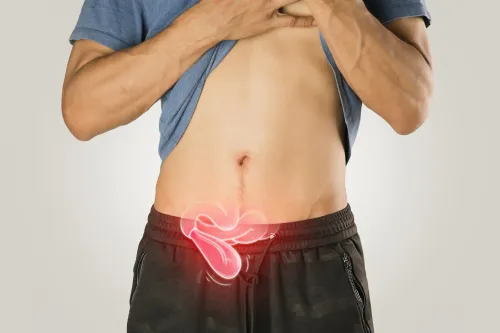
A hernia occurs when part of an internal organ or fatty tissue pushes through a weak area in the muscles or connective tissue of the abdominal wall. The weakened area creates a visible bulge that may become more noticeable during coughing, lifting, or prolonged standing.
Some of the most common types include:
- Inguinal hernia
- Femoral hernia
- Umbilical hernia
- Incisional hernia
- Ventral hernia
- Epigastric hernia
Each type differs in its location and treatment approach, making an accurate diagnosis essential.
When Should a Hernia Be Evaluated?
Many people ignore a hernia because the discomfort is mild in the beginning. However, delaying treatment can increase the risk of complications and may result in a larger defect that is more difficult to repair.
Consult a surgeon if you experience:
- A visible swelling in the abdomen or groin
- Pain while lifting, coughing, or exercising
- A feeling of heaviness or pressure
- Swelling that gradually increases in size
- Difficulty performing routine physical activities
Seek emergency medical care if the swelling becomes extremely painful, hard, or cannot be pushed back into the abdomen, especially if accompanied by vomiting or severe abdominal pain.
What Is Laparoscopic Hernia Repair?
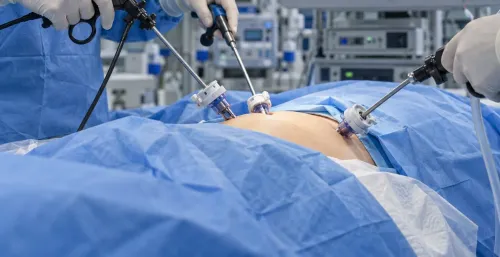
Laparoscopic hernia repair is a minimally invasive surgical technique performed through small incisions using a camera and specialized instruments. During the procedure, the hernia is repaired from inside the abdominal wall, and a surgical mesh is often placed to strengthen the weakened area and reduce the likelihood of recurrence.
The exact technique depends on the type, size, and location of the hernia, as well as the patient's previous surgical history.
Who May Benefit from Laparoscopic Hernia Repair?
Although every patient requires an individualized assessment, laparoscopic surgery may be considered for:
- Bilateral inguinal hernias
- Recurrent hernias after previous open surgery
- Patients seeking quicker recovery
- Individuals who are medically fit for minimally invasive surgery
- Selected ventral and incisional hernias
Open surgery may still be the better option for certain large, complicated, or emergency hernias. Your surgeon will recommend the most appropriate approach based on your condition.
Advantages of Laparoscopic Hernia Repair
For suitable patients, laparoscopic hernia repair offers several potential benefits.
These include:
- Smaller surgical incisions
- Reduced postoperative discomfort
- Lower risk of wound-related complications
- Shorter hospital stay
- Earlier return to work and daily activities
- Better visualization of both sides of the abdominal wall during surgery
- Smaller scars after healing
While these advantages are common, individual recovery varies depending on the patient's health and the complexity of the hernia.
Recovery After Surgery
One of the reasons many patients choose laparoscopic hernia repair is the possibility of a smoother recovery.
Following surgery, patients are generally advised to:
- Walk regularly to improve circulation
- Avoid lifting heavy objects for several weeks
- Eat a balanced, fibre-rich diet to prevent constipation
- Stay hydrated
- Follow wound care instructions carefully
- Attend scheduled follow-up appointments
Most people can gradually return to routine activities within a relatively short period, although strenuous exercise should only be resumed after medical clearance.
Can Hernias Be Prevented?
Not every hernia can be prevented, but reducing strain on the abdominal wall may lower the risk.
Helpful measures include:
- Maintaining a healthy body weight
- Using proper lifting techniques
- Treating chronic cough promptly
- Preventing constipation through adequate fibre intake
- Strengthening core muscles under professional guidance
- Following postoperative instructions carefully after previous abdominal surgery
These lifestyle habits may also help reduce the risk of recurrence after successful hernia repair.
Choosing an Experienced Laparoscopic Surgeon
Successful hernia treatment depends on more than repairing the defect. Careful evaluation, appropriate surgical planning, and selecting the most suitable technique are essential for achieving long-term results.
Patients seeking Laparoscopic Hernia Repair for Faster Recovery in Vashi often benefit from consulting a surgeon experienced in advanced laparoscopic and gastrointestinal surgery. Dr. Mayur Porwal provides comprehensive evaluation and treatment for abdominal wall hernias using evidence-based surgical techniques tailored to each patient's condition. The focus remains on accurate diagnosis, safe repair, and a recovery plan designed to help patients return to their normal activities as comfortably as possible.
For residents of Vashi and nearby areas of Navi Mumbai, seeking timely medical attention for a hernia can prevent avoidable complications and provide access to modern minimally invasive surgical options. Early treatment often leads to simpler procedures, improved recovery, and better long-term outcomes.
Keywords