Gallstones do not always cause symptoms, but when they repeatedly block the flow of bile, they can lead to episodes of upper abdominal pain, nausea, vomiting, indigestion, or inflammation of the gall bladder. For people experiencing recurring symptoms, understanding when gall bladder surgery may be considered is an important part of making an informed treatment decision.
In Navi Mumbai, Maharashtra, patients commonly seek surgical evaluation after gallstones are identified during an ultrasound performed for abdominal discomfort. However, finding stones on a scan does not automatically mean that every patient needs an operation. The decision depends on symptoms, complications, medical history, examination findings, and diagnostic results.
When Can Gallstones Become a Problem?
Gallstones may remain silent for years. Treatment becomes more relevant when they are associated with problems such as:
- Repeated pain in the upper right or upper middle abdomen
- Pain occurring after meals, particularly fatty meals
- Nausea or vomiting accompanying abdominal pain
- Inflammation of the gall bladder
- Stones affecting the bile duct
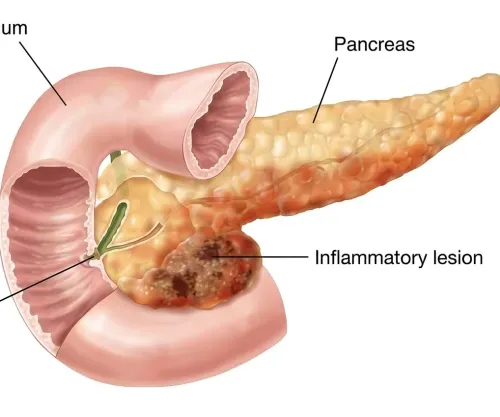
- Gallstone-related pancreatitis
- Fever or jaundice associated with biliary disease
Severe abdominal pain, fever, persistent vomiting, or yellowing of the skin or eyes deserves prompt medical assessment rather than waiting for symptoms to settle on their own.
What Does Gall Bladder Surgery Involve?
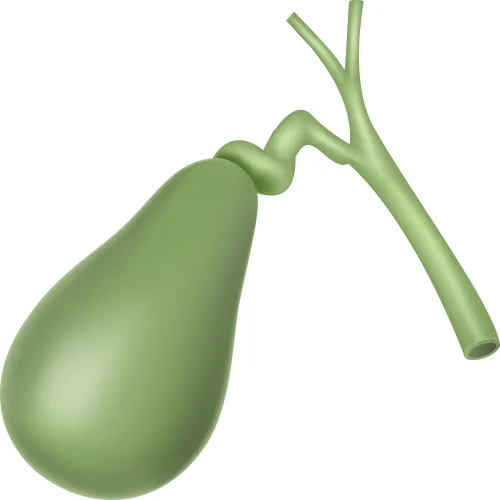
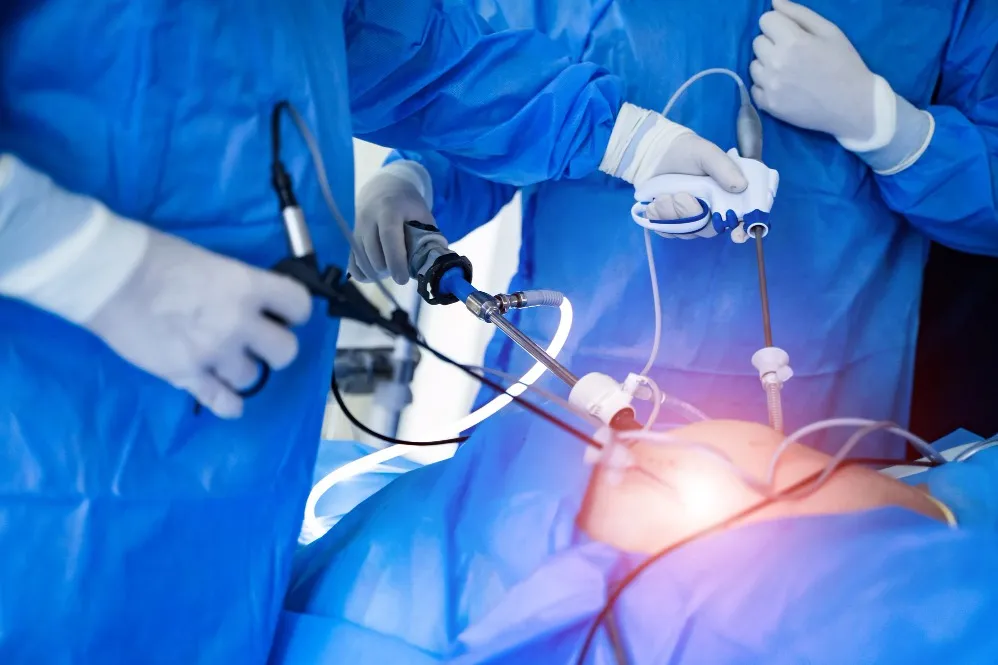
The commonly performed operation for symptomatic gallstones is cholecystectomy, which removes the gall bladder. In suitable patients, it can often be performed laparoscopically through several small abdominal incisions.
During laparoscopic surgery, a camera and specialised instruments allow the surgeon to view and remove the gall bladder. The exact operative plan can vary according to inflammation, previous surgery, anatomy, and other clinical factors.
Open surgery may still be necessary in selected situations. A surgeon may recommend or convert to an open approach when it is considered safer because of severe inflammation, scar tissue, difficult anatomy, bleeding, or another operative concern.
What Happens Before Surgery?
Preoperative assessment may include blood investigations, ultrasound findings, liver function tests and, where necessary, additional imaging of the bile ducts. Existing conditions such as diabetes, hypertension, heart disease, and the use of blood-thinning medicines also need appropriate evaluation.
Dr Mayur Porwal can assess the pattern of symptoms together with imaging and clinical findings to determine whether surgical treatment is appropriate.
Recovery Is Individual
Recovery after laparoscopic gall bladder removal is generally different from recovery after open surgery. Activity, wound care, diet, pain management, and return to work should therefore follow the surgeon's individual instructions.
Gallstone symptoms can resemble other digestive problems, which is why diagnosis matters before deciding on surgery. For patients across Navi Mumbai, a structured surgical consultation can clarify whether symptoms are actually arising from gallstones and whether observation, further investigation, or surgery is the appropriate next step.
Keywords