Gallbladder problems are among the most common digestive conditions affecting adults. While some people experience occasional discomfort after eating fatty foods, others develop persistent pain, repeated infections, or complications caused by gallstones. When symptoms begin interfering with daily life or the gallbladder becomes diseased, surgery is often the most effective long-term treatment. Today, laparoscopic cholecystectomy has become the standard surgical approach for many gallbladder conditions because it offers a minimally invasive alternative to traditional open surgery.
If you are searching for Advanced Laparoscopic Cholecystectomy for Gallbladder Problems in Koparkhairne, understanding when surgery is recommended and what the procedure involves can help you make an informed decision.
What Is a Laparoscopic Cholecystectomy?
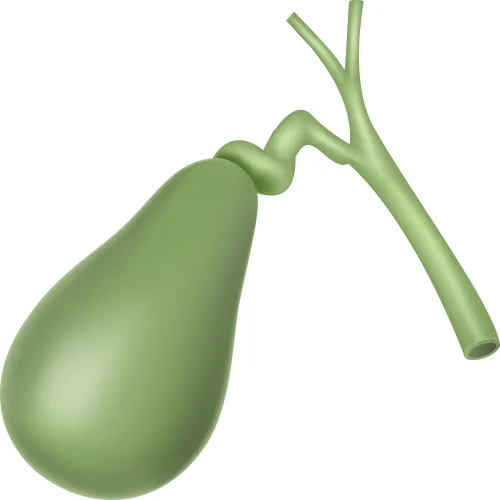
A laparoscopic cholecystectomy is a surgical procedure performed to remove the gallbladder using small incisions, a high-definition camera, and specialized surgical instruments. The gallbladder stores bile produced by the liver, but it is not essential for normal digestion. After removal, bile flows directly from the liver into the small intestine.
Compared with conventional open surgery, laparoscopic surgery is designed to reduce tissue trauma while supporting faster recovery in suitable patients.
Common Gallbladder Conditions That May Require Surgery
Gallbladder removal is recommended for several medical conditions, including:
- Symptomatic gallstones
- Recurrent gallbladder inflammation (cholecystitis)
- Gallbladder polyps requiring treatment
- Gallbladder dysfunction causing persistent symptoms
- Certain bile duct disorders
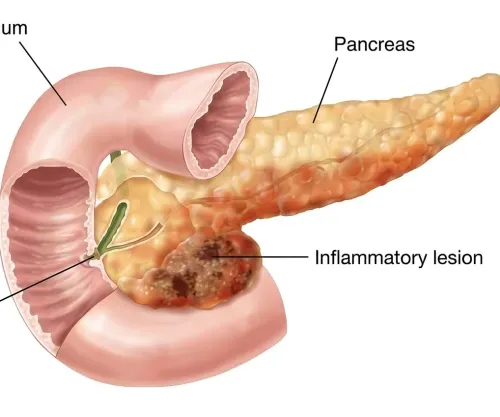
- Gallstone-related pancreatitis after appropriate evaluation
Not every gallstone requires surgery. Many people have silent gallstones that do not produce symptoms and can often be managed with regular observation under medical guidance.
Symptoms That Should Prompt Medical Evaluation
Gallbladder disease often begins with mild digestive discomfort, but symptoms usually become more frequent as the condition progresses.
Common symptoms include:
- Pain in the upper right side of the abdomen
- Pain after consuming oily or heavy meals
- Pain spreading to the back or right shoulder
- Nausea or vomiting
- Indigestion and bloating
- Fever during acute infection
- Yellowing of the skin or eyes if bile flow becomes blocked
Persistent or severe abdominal pain should never be ignored, especially if accompanied by fever or jaundice.
How Gallbladder Problems Are Diagnosed
Before recommending surgery, the surgeon performs a detailed evaluation to determine the cause of symptoms and assess the condition of the gallbladder.
Investigations may include:
- Medical history and physical examination
- Blood tests, including liver function tests
- Abdominal ultrasound
- CT scan or MRI in selected cases
- MRCP when bile duct stones are suspected
These investigations help identify the underlying condition and determine the most appropriate treatment plan.
Benefits of Laparoscopic Gallbladder Surgery
For suitable patients, laparoscopic cholecystectomy offers several potential advantages.
These include:
- Smaller surgical incisions
- Reduced postoperative discomfort
- Less blood loss
- Lower risk of wound-related complications
- Shorter hospital stay
- Faster return to routine activities
- Smaller scars compared to open surgery
In certain complex situations, such as severe inflammation or unexpected findings during surgery, the procedure may need to be converted to an open operation to ensure patient safety.
Recovery After Laparoscopic Cholecystectomy
Recovery following laparoscopic gallbladder surgery is generally quicker than with traditional open surgery, although healing varies from one patient to another.
Patients are usually advised to:
- Begin walking as soon as recommended
- Eat light meals initially before gradually returning to a normal diet
- Stay well hydrated
- Avoid heavy lifting for a few weeks
- Follow wound care instructions carefully
- Attend follow-up appointments to monitor healing
Most individuals are able to resume their daily activities within a relatively short period, depending on the nature of their work and overall health.
Can Gallbladder Problems Be Prevented?
While not all gallbladder diseases can be prevented, certain lifestyle measures may help reduce the risk of developing symptomatic gallstones.
These include:
- Maintaining a healthy body weight
- Following a balanced diet rich in fibre
- Avoiding rapid weight loss
- Staying physically active
- Managing conditions such as diabetes under medical supervision
Even with a healthy lifestyle, some people may still develop gallstones due to genetic or hormonal factors.
Choosing an Experienced Laparoscopic Surgeon
Gallbladder surgery is one of the most commonly performed gastrointestinal procedures, but achieving the best outcome depends on accurate diagnosis, careful surgical planning, and experience in minimally invasive techniques.
Patients seeking Advanced Laparoscopic Cholecystectomy for Gallbladder Problems in Koparkhairne often benefit from consulting a surgeon with expertise in gastrointestinal and advanced laparoscopic surgery. Dr. Mayur Porwal provides comprehensive evaluation and treatment for gallbladder, liver, pancreas, colorectal, and other digestive disorders using evidence-based surgical approaches tailored to each patient's needs.
For residents of Koparkhairne and throughout Navi Mumbai, early assessment of persistent gallbladder symptoms can help prevent complications and allow treatment at the right stage. Modern laparoscopic surgery offers a safe and effective solution for many gallbladder conditions, helping patients return to their normal routines with improved comfort and confidence.
Keywords